The Impact of Stone Carving on Modern Church Design Modern church architecture continues to evolve,…
Why Precision Matters: The Role of Master Stone Carvers in Complex Restoration Projects
Why Precision Matters: The Role of Master Stone Carvers in Complex Restoration Projects
Precision is one of the most critical elements in successful stone restoration. When working on historic structures, even the smallest inconsistency can affect structural integrity, visual continuity, and historical authenticity. In complex restoration projects, master stone carvers play an essential role in preserving the original character of a building while ensuring that every detail aligns with modern performance standards.
For restoration stakeholders, precision directly influences quality, compliance, durability, and long-term asset value.
The Critical Nature of Precision in Restoration
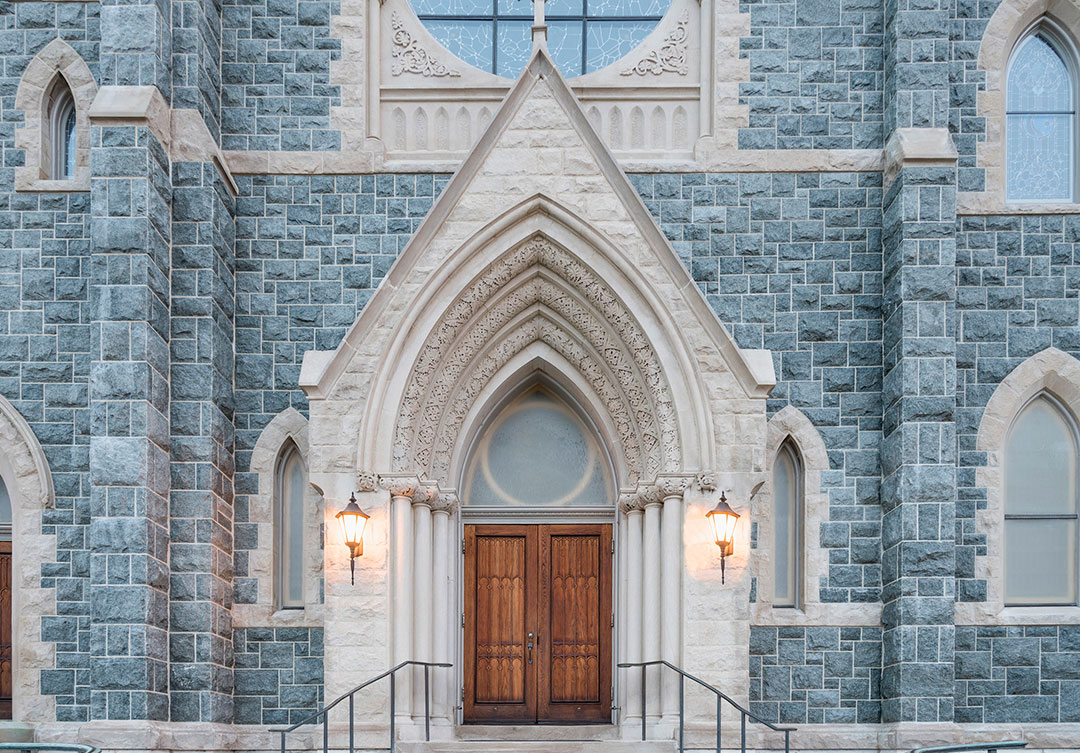
Historic stone structures were originally built with exact proportions, detailed ornamentation, and carefully crafted architectural elements. Restoring these buildings requires aligning new work with existing materials and geometry at an exceptionally high level of accuracy.
Precision allows restoration teams to maintain architectural consistency while ensuring seamless integration between original and newly restored stonework. It also helps preserve the original design intent that defines the historical identity of the structure.
Without precise execution, restoration work can create visual inconsistencies that diminish both the aesthetic and cultural significance of the building.
The Expertise of Master Stone Carvers
Master stone carvers bring years of hands-on experience, material knowledge, and craftsmanship to restoration projects. Their expertise extends beyond shaping stone alone. They understand historical carving methods, architectural styles, and the subtle detailing that defines traditional stonework.
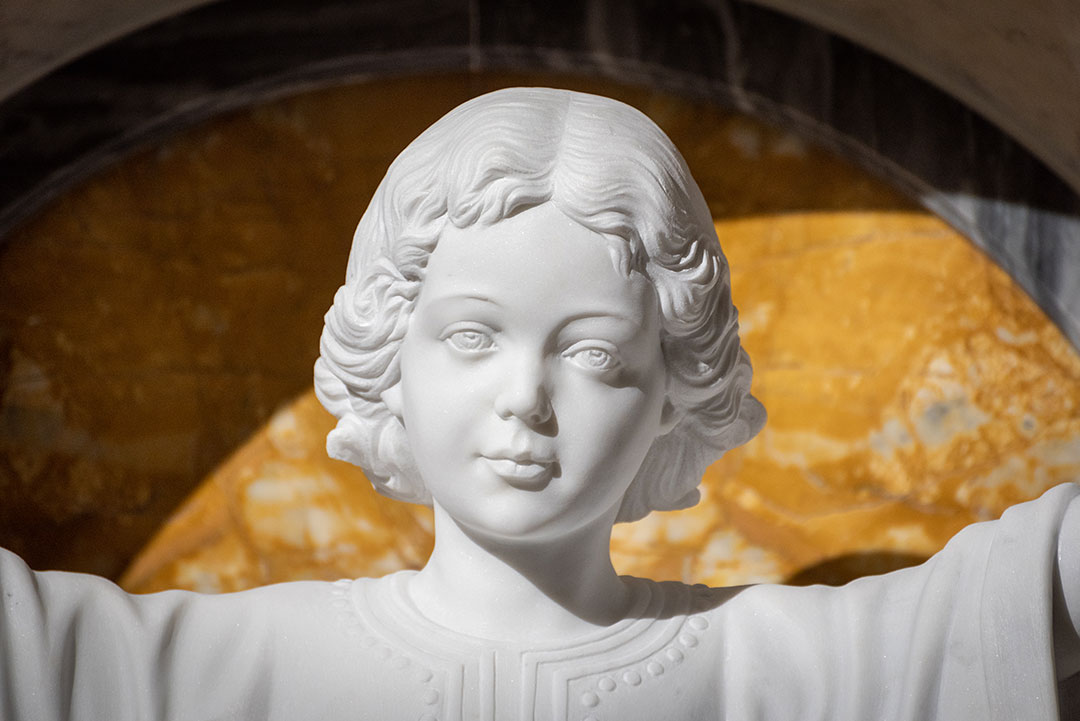
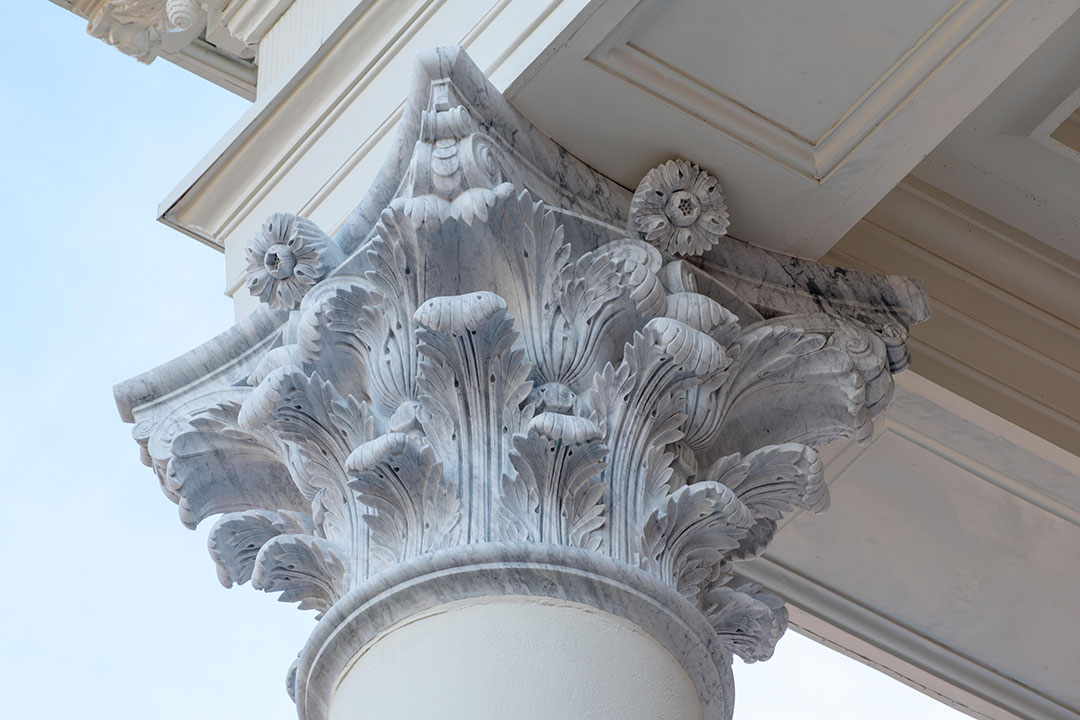
Their ability to replicate intricate patterns, ornamental carvings, and hand-finished textures ensures that restored elements match the craftsmanship of the original structure. This level of detail is heritage-critical in maintaining authenticity throughout the restoration process.
At Rugo Stone, restoration craftsmanship continues to combine traditional carving expertise with modern fabrication capabilities to achieve historically accurate results.
Balancing Technology and Craftsmanship
Modern restoration projects rely heavily on advanced technology to improve efficiency and precision. Tools such as 3D scanning, digital modeling, and CNC machining help restoration teams capture exact measurements and accurately reproduce damaged architectural elements.
However, technology alone cannot achieve the level of refinement required for heritage restoration.
Master stone carvers complete the final shaping, detailing, and finishing by hand, ensuring that each piece reflects the texture, depth, and artistry of the original construction. This combination of digital precision and artisan craftsmanship allows restoration projects to achieve both scalability and authenticity.
Tolerance Control and Structural Accuracy
Tolerance control is essential in complex restoration work. Even minor misalignments can affect structural stability, joint consistency, and overall visual cohesion.
Accurate stone carving supports proper load distribution, tight joint alignment, and consistent finishing across restored surfaces. Maintaining strict tolerances also helps ensure long-term structural performance while preserving the visual integrity of the architecture.
This level of precision is especially important in heritage structures where every architectural element contributes to the building’s overall stability and appearance.

Preserving Authenticity Through Detail
Authenticity in restoration is defined by detail. Every carved surface, tooling mark, and weathered texture contributes to the historical identity of the structure.
Master stone carvers carefully replicate original finishes, proportions, and textures so that restored elements remain visually indistinguishable from the original stonework. This includes matching weathering patterns, maintaining proportional accuracy, and preserving the subtle hand-crafted character that defines historic architecture.
These details ensure that restoration work enhances the building without disrupting its historical authenticity.
Risk Mitigation in High-Value Restoration Projects
Precision also plays a major role in reducing risk during restoration. Heritage projects often involve strict preservation guidelines, complex structural conditions, and high stakeholder expectations.
Precision-driven workflows help minimize installation errors, reduce material waste, and maintain compliance with conservation standards. This results in smoother project execution, fewer costly corrections, and stronger confidence among owners, architects, and preservation teams.

Long-Term Value and Performance
Accurate stone carving contributes directly to the long-term performance of restored structures. High-quality restoration work improves durability, reduces future maintenance requirements, and extends the lifecycle of restored architectural elements.
For institutions, preservation organizations, and property owners, this creates measurable long-term value while protecting the architectural and cultural significance of the building.
More importantly, precision ensures that historic structures continue to stand as authentic representations of craftsmanship and heritage for future generations.
Conclusion
Precision is the foundation of successful stone restoration. Master stone carvers provide the expertise required to maintain authenticity, structural reliability, and visual continuity throughout complex restoration projects.
By combining advanced technology with traditional craftsmanship, restoration teams can preserve historic architecture while meeting modern performance and compliance standards.
Organizations that prioritize precision in stone carving ensure that their restoration projects achieve the highest levels of quality, durability, and historical integrity.
Looking to execute a high-precision restoration project? Partner with experienced stone carving specialists to ensure accuracy, longevity, and authentic restoration results.

Related Posts