The Impact of Stone Carving on Modern Church Design Modern church architecture continues to evolve,…
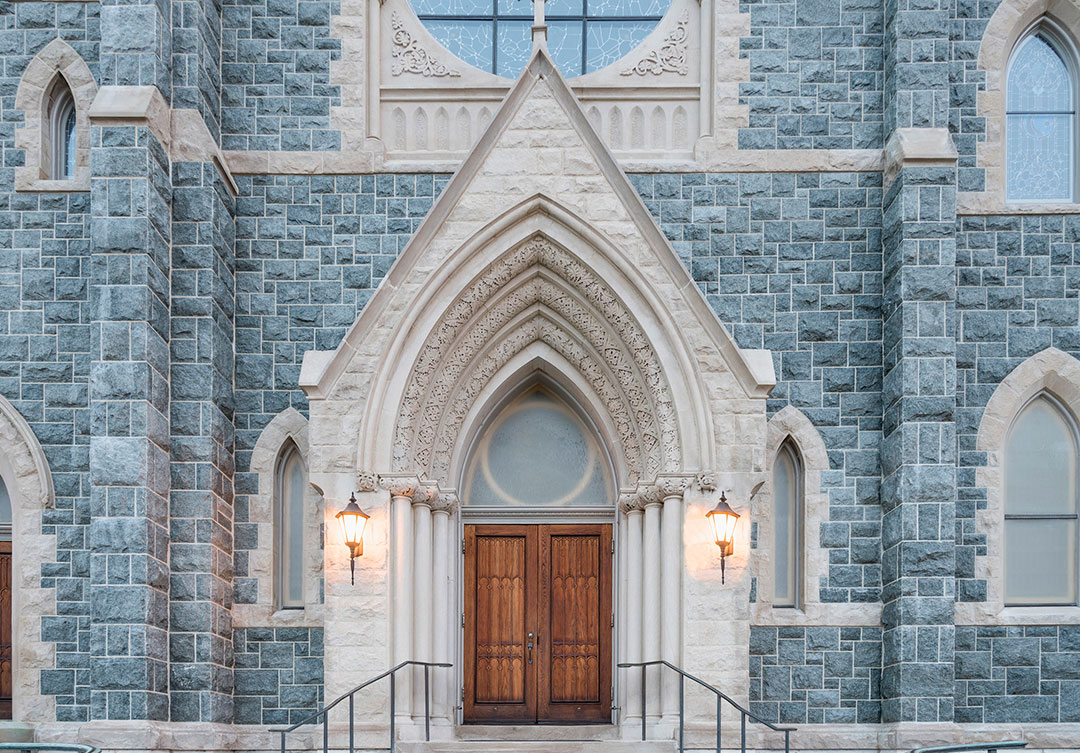
Custom Stonework for Historic Buildings: A Guide to Authentic Restoration
Custom Stonework for Historic Buildings: A Guide to Authentic Restoration
Historic buildings carry architectural stories that cannot be replicated through modern construction alone. Every carved detail, weathered surface, and stone façade reflects a level of craftsmanship and cultural significance that deserves careful preservation. Custom stonework restoration plays a critical role in protecting these structures while ensuring they continue to perform safely and effectively for future generations.
Historic stone restoration is far more than surface repair. It is a specialized process focused on preserving authenticity, maintaining structural integrity, and extending the lifespan of historically significant buildings.
A Strategic Approach to Historic Stone Restoration
Restoring a historic structure requires a methodology built around precision and respect for the original architecture. Unlike standard renovation work, restoration projects demand a deep understanding of historical materials, traditional craftsmanship techniques, and preservation standards.
Every intervention must support the original architectural intent while maintaining structural stability and visual consistency throughout the building. Custom stonework allows restoration teams to integrate new materials seamlessly with existing structures so that repaired areas remain authentic in both appearance and performance.
Material Matching and Authenticity
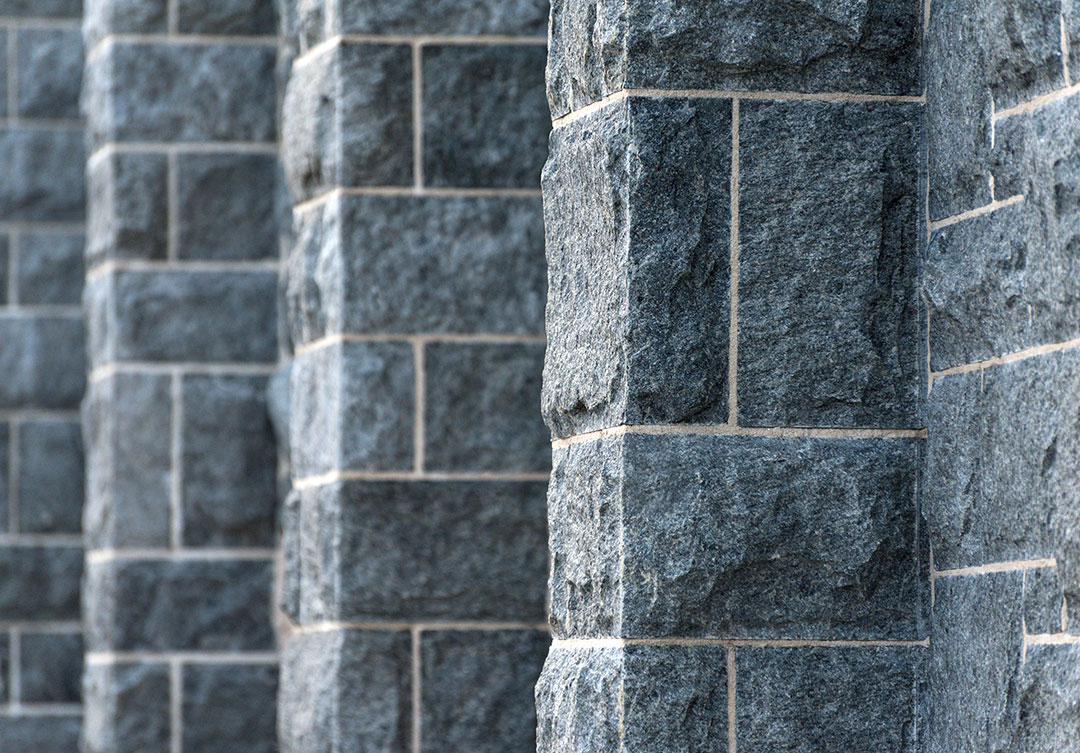
One of the most important aspects of historic stone restoration is material matching. Historic buildings often feature stone that carries unique characteristics in texture, density, grain, and weathering patterns developed over decades or even centuries.
Successful restoration depends on sourcing or replicating materials that closely align with the original structure. Consistency in color, finish, and texture ensures that new stonework blends naturally into the building without creating visible inconsistencies that compromise authenticity.
This attention to detail allows restoration projects to preserve the original visual identity of the structure while ensuring long-term durability.
Precision Engineering Meets Craftsmanship
Modern restoration projects combine advanced technology with traditional stone carving expertise. Digital tools such as 3D scanning and modeling now allow teams to accurately map damaged or deteriorated architectural elements before fabrication begins.
CNC-assisted shaping helps achieve high levels of precision during the production process, while skilled artisans complete the final detailing and finishing by hand. This balance between technology and craftsmanship ensures that restored elements maintain the same character and artistic quality as the original construction.
At Rugo Stone, restoration workflows are designed to preserve architectural authenticity while meeting modern fabrication and structural standards.
Structural Integrity and Compliance
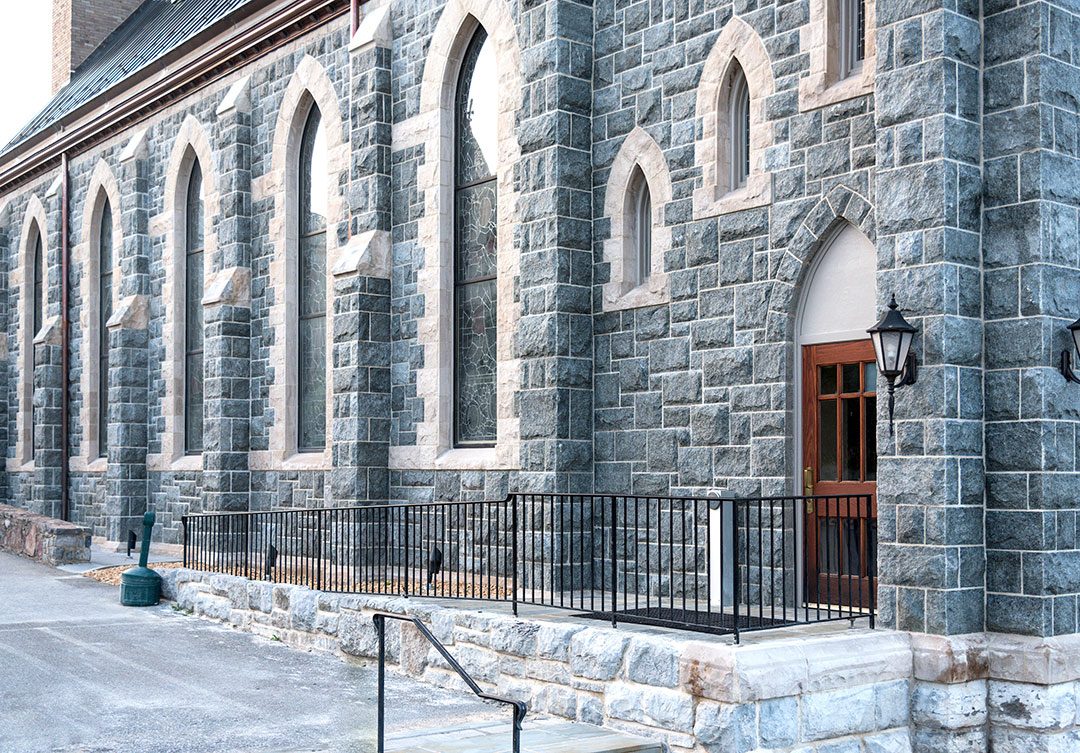
Historic stone restoration must address modern structural and safety requirements without compromising the building’s historical identity. Aging stone structures often require reinforcement and integration with updated anchoring systems to ensure long-term stability.
Custom stonework allows restoration teams to strengthen deteriorating areas while preserving the visual continuity of the architecture. It also helps ensure compliance with modern preservation standards, conservation requirements, and building regulations.
The result is a restored structure that remains both historically accurate and fully functional for continued use.
Restoration Versus Replacement
One of the most important decisions in any restoration project is determining whether existing stone should be repaired or replaced. In many cases, preserving original materials remains the preferred approach whenever structural conditions allow.
Replacement is typically reserved for areas where stone deterioration compromises safety or performance. When replacement becomes necessary, restoration teams carefully replicate original detailing, tooling, and finishes to maintain continuity throughout the structure.
This approach minimizes unnecessary material loss while protecting the authenticity and craftsmanship of the building.
Long-Term Value and Preservation
Authentic stone restoration delivers long-term value far beyond aesthetics alone. High-quality restoration work helps extend the lifespan of historic buildings while reducing future maintenance and repair costs.
For institutional owners, preservation organizations, and stakeholders, this translates into sustained architectural value, stronger cultural preservation, and lower long-term operational costs.
More importantly, restoration ensures that historic structures continue to serve communities while preserving the craftsmanship and heritage that define them.
Conclusion
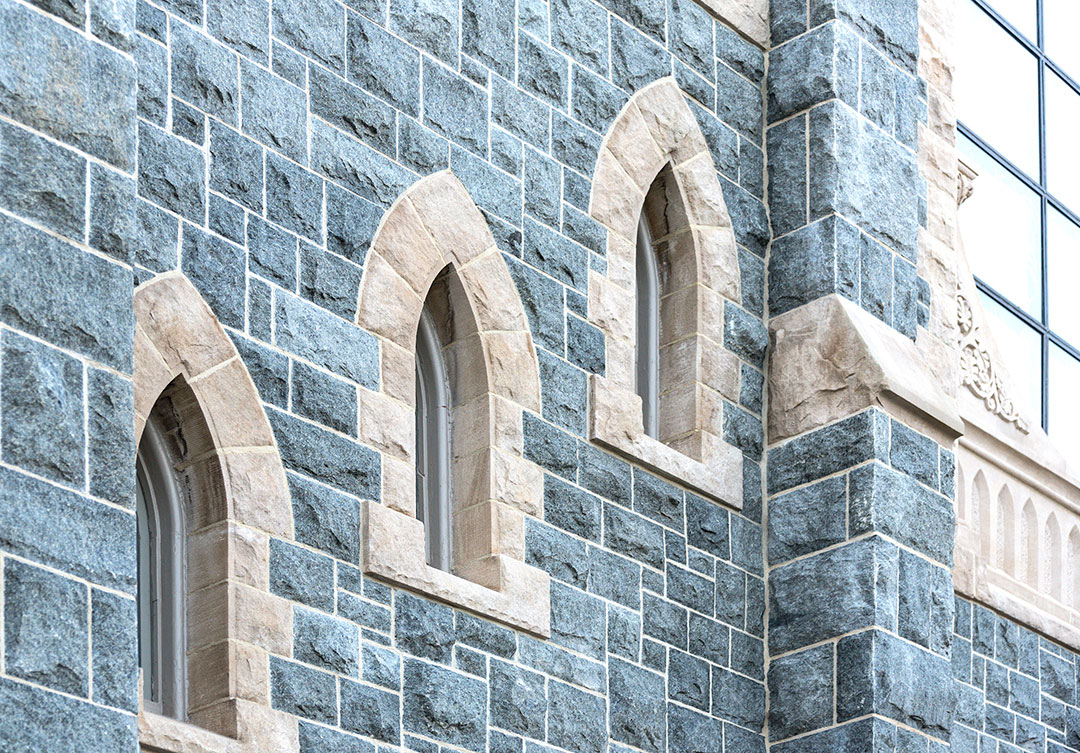
Custom stonework restoration is essential to preserving the integrity, performance, and historical significance of landmark buildings. By combining modern technology with skilled craftsmanship, restoration projects can maintain architectural authenticity while adapting structures to modern requirements.
Organizations that prioritize authentic historic stone restoration protect more than buildings alone. They preserve history, craftsmanship, and cultural identity for generations to come.
Looking to restore a historic building with precision and authenticity? Connect with a specialist team to explore custom stone restoration solutions tailored to your project requirements.

Related Posts