Why Precision Matters: The Role of Master Stone Carvers in Complex Restoration Projects Precision is…
The Impact of Stone Carving on Modern Church Design
The Impact of Stone Carving on Modern Church Design
Modern church architecture continues to evolve, but stone carving remains one of the most influential elements in shaping how sacred spaces are experienced. In contemporary church design, carved stone is more than a connection to tradition. It is a strategic architectural feature that enhances aesthetics, reinforces identity, and creates a deeper spiritual atmosphere.
For architects, designers, and church stakeholders, stone carving bridges heritage craftsmanship with modern construction, delivering both visual impact and long-term value.
Stone Carving in Contemporary Church Architecture
Today’s churches often combine clean architectural lines with carefully integrated traditional details. Stone carving introduces depth, texture, and symbolism into these modern spaces, creating an environment that feels intentional and spiritually grounded.
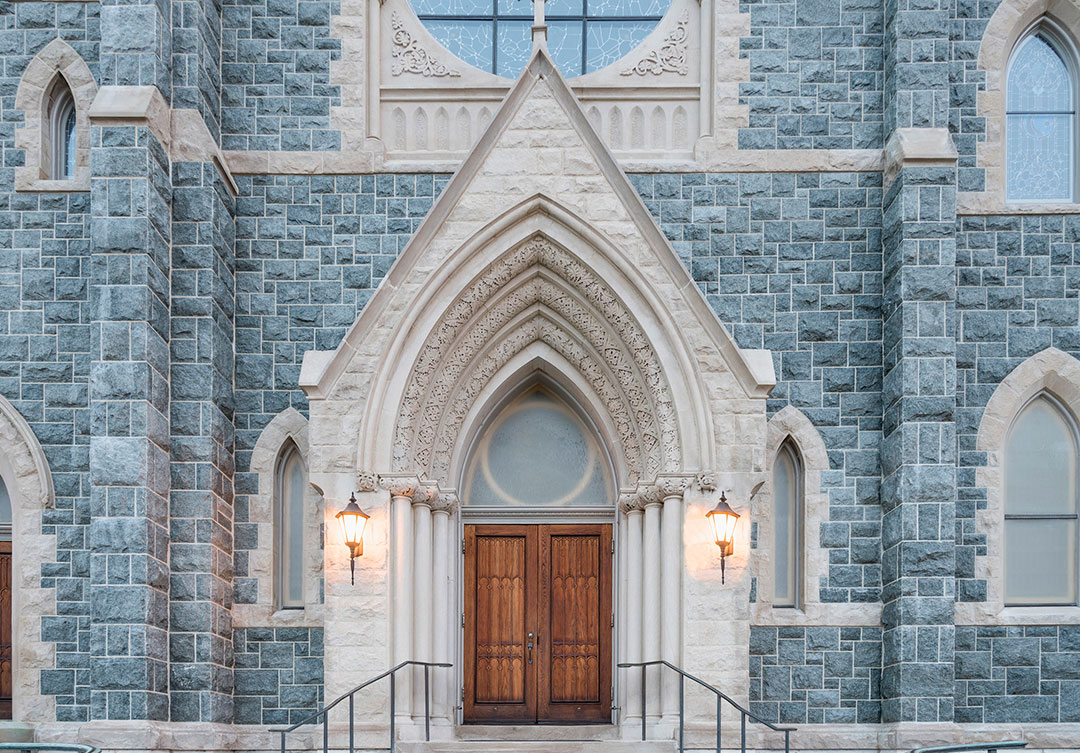
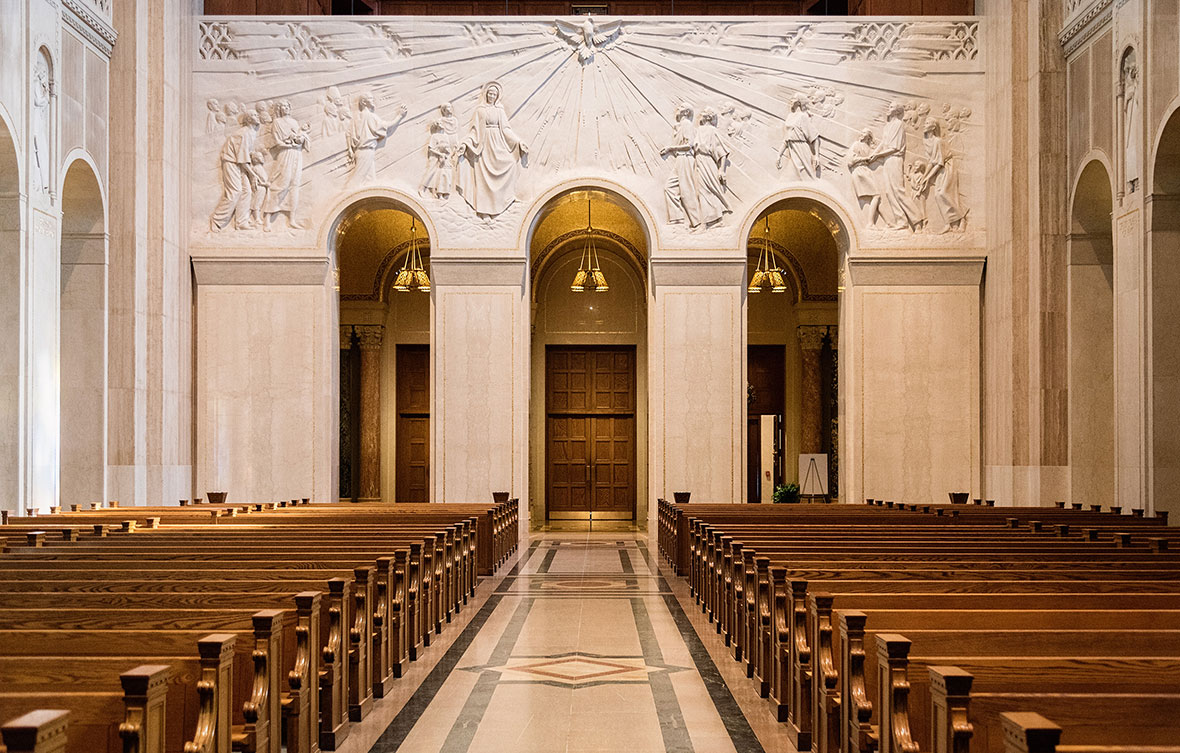
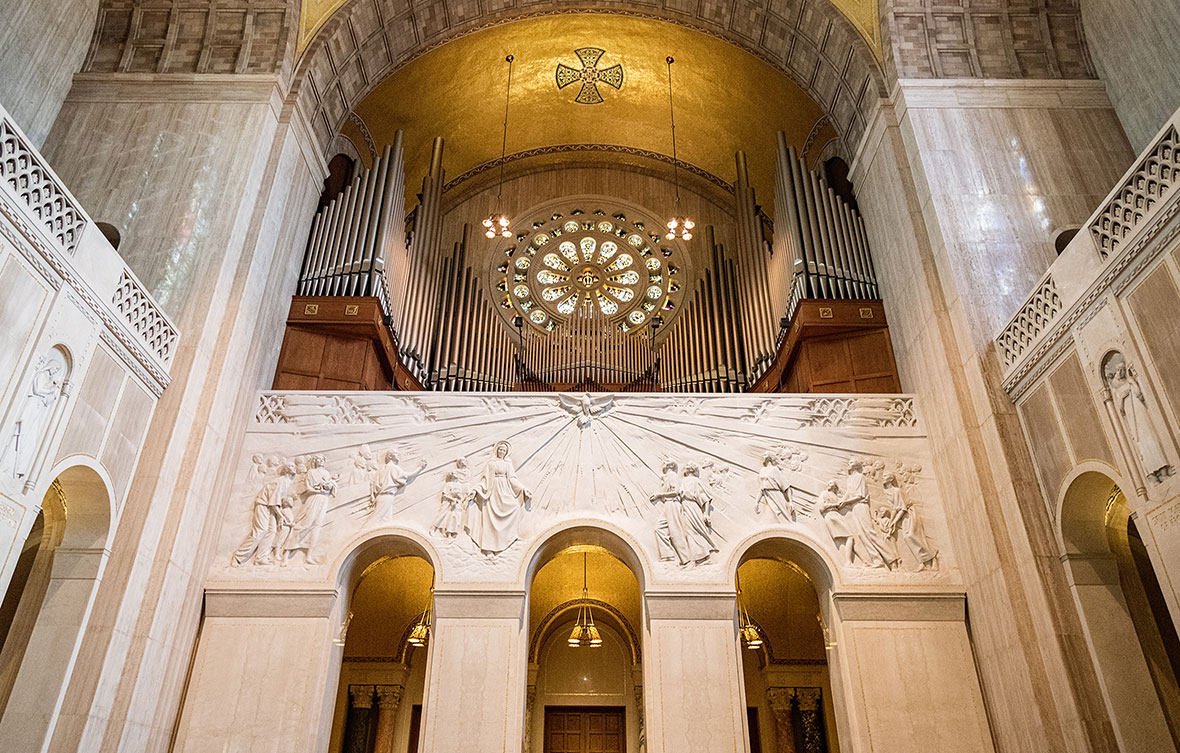
Carved stone is commonly incorporated into altars, entryways, façades, columns, arches, and liturgical elements that serve as visual focal points throughout the church. These details help balance simplicity with craftsmanship, allowing modern sanctuaries to maintain a sense of permanence and sacred identity.
At Rugo Stone, carved stonework continues to play a central role in blending timeless architectural traditions with contemporary worship spaces.
Enhancing Aesthetic Value
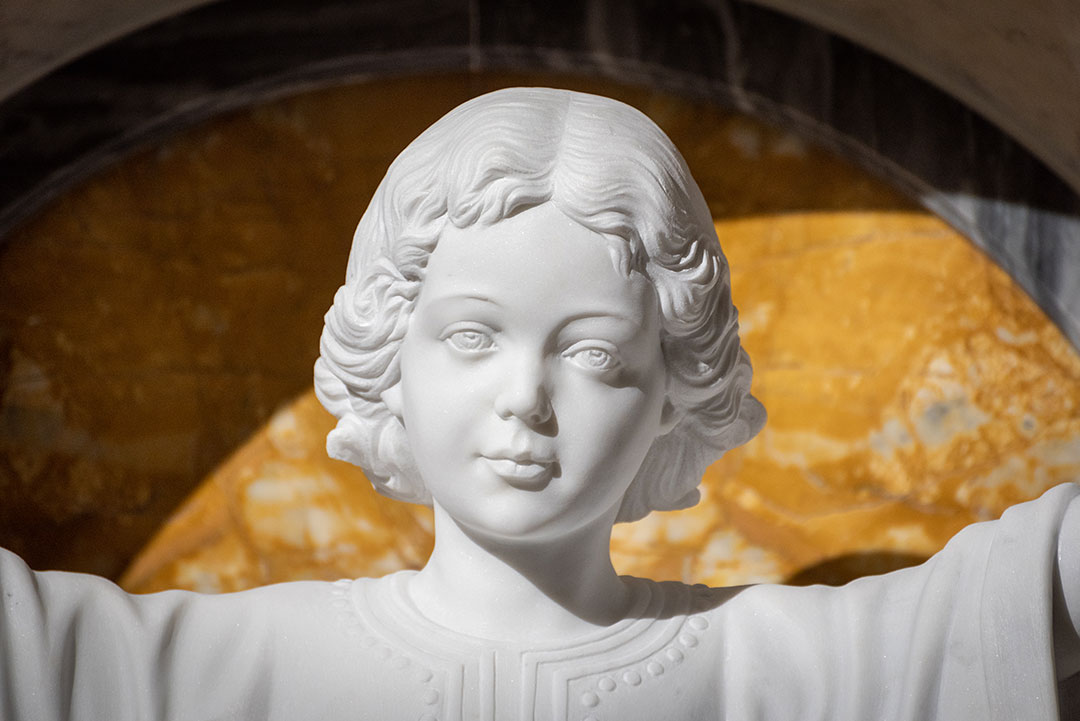
Stone carving significantly elevates the visual quality of a church interior and exterior. Unlike manufactured materials with flat surfaces, carved stone introduces texture, shadow, and dimension that naturally shift with changing light and perspective.
This level of detail creates visual richness while preserving the timeless appeal associated with sacred architecture. Natural variation in stone also adds authenticity and warmth, helping churches maintain a refined and enduring appearance over time.
The result is a space that feels architecturally distinctive while remaining connected to traditional craftsmanship.
Creating a Strong Spiritual Environment
Churches are designed to encourage reflection, worship, and emotional connection. Stone carving contributes to this experience by creating spaces that feel sacred and meaningful through symbolism and artistic detail.
Carved altars, arches, tracery, and decorative motifs naturally draw attention toward important liturgical areas while reinforcing the spiritual purpose of the space. These elements encourage contemplation and help communicate meaning through architecture itself.
In modern church design, carved stone allows the environment to become part of the worship experience rather than simply serving as a backdrop.
Blending Tradition with Innovation
One of the defining characteristics of modern church stone design is the integration of traditional craftsmanship with advanced fabrication technology. Modern workflows often combine digital modeling, 3D scanning, and CNC fabrication with hand carving and artisan finishing.
This hybrid approach improves precision and efficiency while preserving the authenticity of handcrafted stonework. Skilled stone carvers still provide the final detailing and artistic refinement that give each project its unique character.
By balancing innovation with craftsmanship, churches can achieve complex architectural designs without losing the timeless beauty associated with traditional stone carving.
Functional and Structural Advantages
Stone carving offers more than visual appeal alone. It also contributes to the long-term performance and durability of the building itself.
Natural stone provides exceptional strength, resistance to wear, and structural reliability, making it ideal for both decorative and load-bearing applications. Compared to many alternative materials, stone also requires less maintenance over time while maintaining its appearance and integrity for generations.
These functional advantages make carved stone a practical and sustainable choice for churches seeking long-term architectural value.
Customization and Design Flexibility
Modern church projects often require highly customized architectural solutions that reflect the identity and vision of the congregation. Custom stone carving allows architects and designers to create unique patterns, motifs, and liturgical elements tailored specifically to each project.
Stone carving also integrates seamlessly with modern materials such as glass, steel, and contemporary lighting systems, giving designers greater flexibility while preserving traditional craftsmanship within the space.
This ability to adapt across architectural styles ensures that each church maintains a distinctive visual identity while supporting modern functionality.
Long-Term Value and Sustainability
Stone carving aligns naturally with sustainable building principles due to the longevity and durability of natural stone materials. High-quality carved stone reduces the need for replacement, lowers long-term maintenance costs, and supports lifecycle-focused construction strategies.
For churches and institutional stakeholders, this creates lasting architectural value while contributing to environmentally responsible building practices.
More importantly, stone carving creates spaces designed to endure physically, spiritually, and culturally for future generations.
Conclusion
The impact of stone carving on modern church design extends far beyond aesthetics. It strengthens spiritual engagement, reinforces architectural identity, and provides long-term structural and cultural value.
By combining traditional craftsmanship with modern technology, carved stone continues to shape contemporary church architecture in ways that feel timeless, meaningful, and enduring.
Looking to integrate custom stone carving into your next church project? Work with experienced specialists to create architectural stonework that delivers both design excellence and lasting impact.

Related Posts