The Impact of Stone Carving on Modern Church Design When you step into a church,…
Why Precision Matters: The Role of Master Stone Carvers in Complex Restoration Projects
Why Precision Matters: The Role of Master Stone Carvers in Complex Restoration Projects
As we navigate the scaffoldings of centuries-old cathedrals or historic government buildings entrusted to Rugo Stone, we are reminded of the craftsmanship that went into creating these enduring structures. Each detail, meticulously carved by master artisans, tells a story of precision and respect for history. At Rugo Stone, we’ve built our reputation on continuing this tradition—preserving the past with the same precision that ensures the future of these remarkable landmarks.
Precision as a Language of Respect
Historic stone restoration is not simply about repairing what time has eroded; it’s about honoring the original artisans by adhering to their precise methods. Every molding, tracery, and decorative motif carries deep meaning. Altering even the smallest proportion can disrupt a dialogue that has lasted for centuries. That’s why our master stone carvers, many of whom have trained in classical carving techniques before honing their craft in our workshop, approach each chisel strike as both technical execution and an act of respect.
Why Hand carving still matters in 2025
In a world dominated by CNC machinery and 3D scanning, the human hand remains irreplaceable when it comes to carving and matching old stone elements. While machines can replicate geometry, they cannot interpret the subtle asymmetry of a 14th-century Gothic leaf pattern or the soulful imperfections of hand-tooled marble. Our carvers are trained to “read” old stone—understanding its weathering, matching its patina, and ensuring that each restored piece looks as though it has always belonged.
The Complexity Behind “Simple” Details
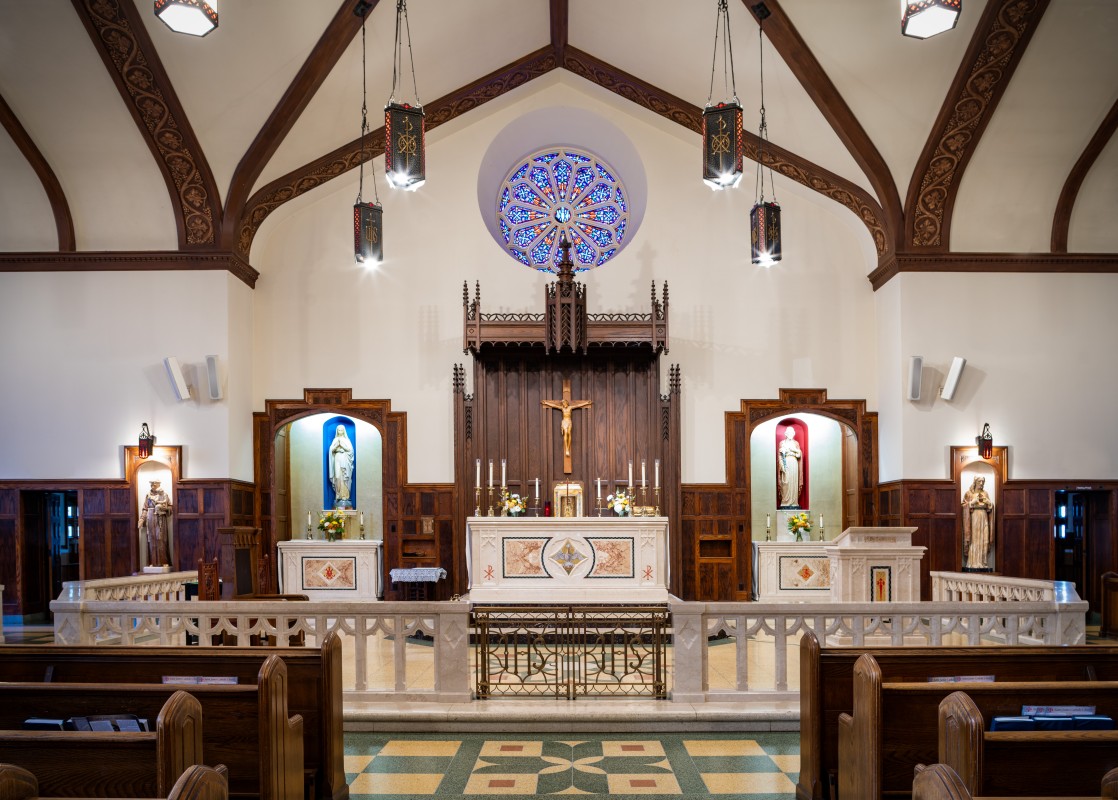
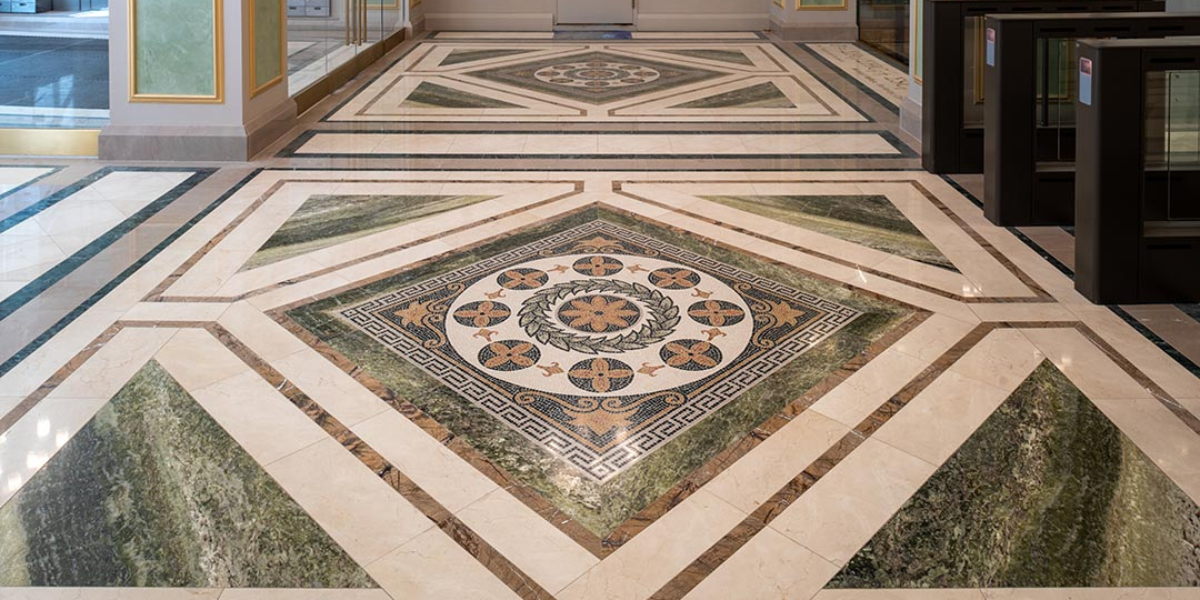
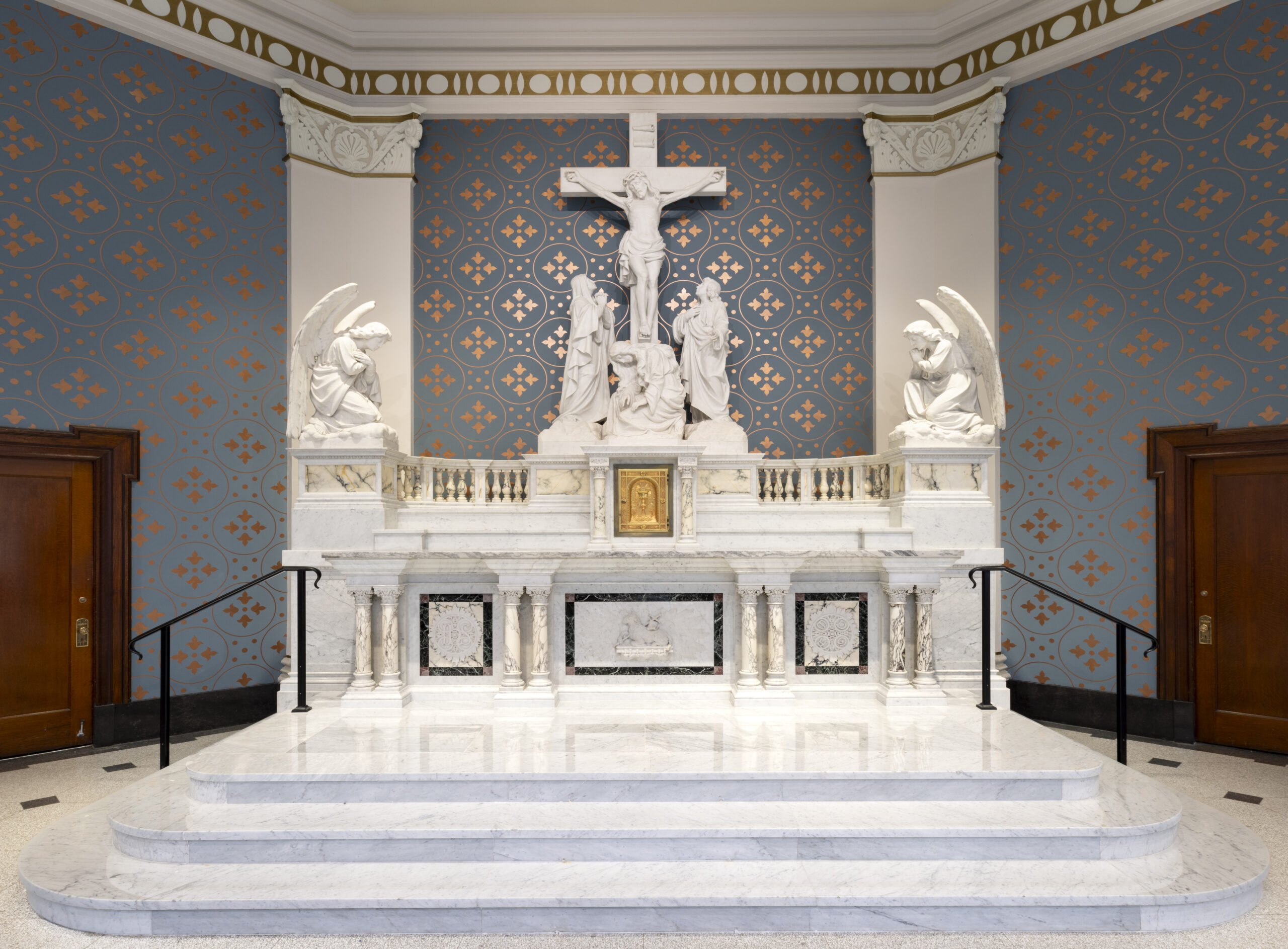
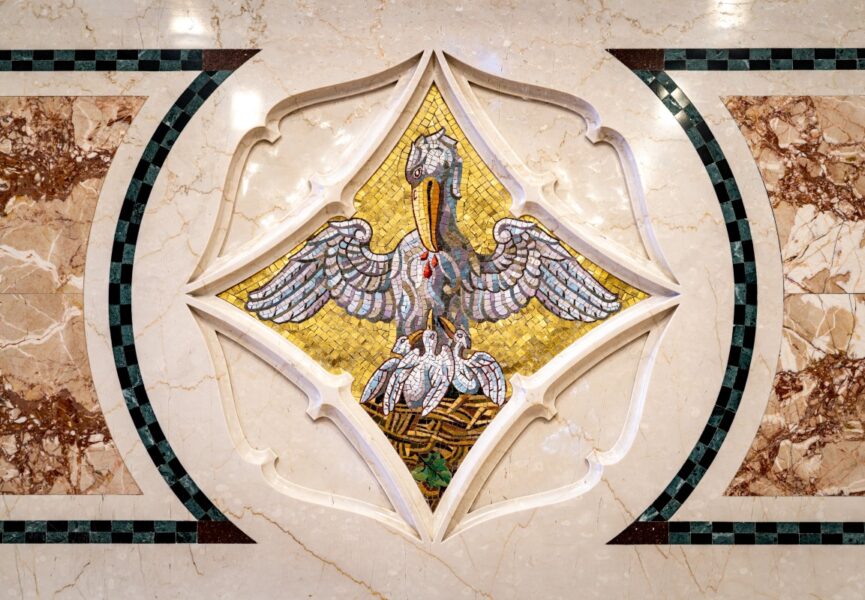
On projects like Trinity Church Wall Street in New York, what may appear to be a small restored detail—a pinnacle or finial—represents hundreds of hours of work. Our artisans dedicate their time to studying archival drawings, creating clay maquettes, and hand-finishing every curve of limestone to replicate Gothic forms. Similarly, at Corpus Christi Catholic Church, our mosaic and carving teams collaborated to create a Gothic altar that felt both new and eternal—demonstrating that precision is the bridge between concept and sacred permanence.
The Training that Sets Us Apart
One of Rugo Stone’s defining strengths lies in our commitment to training the next generation of master stoneworkers. Unlike many firms that outsource carving overseas, we invest in developing our people here. With over 120 employees and more than 400 years of combined experience, our carvers work alongside engineers, draftsmen, and installers. This holistic approach ensures that when a stone leaves our shop, it is not only technically accurate but also part of a greater vision, flawlessly executed in the field.
Precision as Our Core Value
For Rugo Stone, precision goes beyond mere measurement—it is about integrity. It is about doing it right the first time. Whether we are cutting massive granite panels for the National Museum of African American History & Culture or hand-engraving letters in stone, our clients trust us because we never compromise.
Historic buildings stand as a testament to great craftsmanship, reminding us that such work endures. Our role is to ensure that this endurance continues. That’s why precision—and the hands of our master stone carvers—will always be at the core of every complex restoration project we undertake.


Related Posts